Applications of Mechanical, Aerospace, Civil and Architectural Engineering
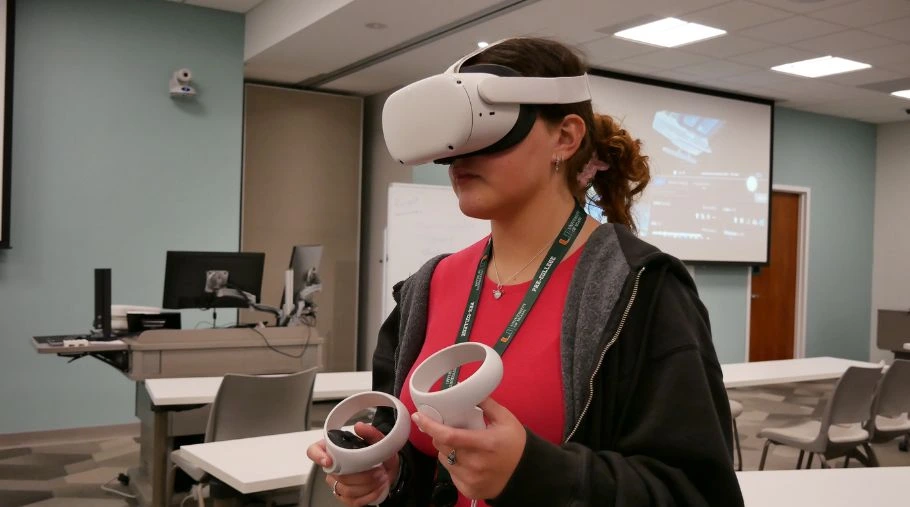
Explore topics in engineering and gain an introductory understanding of the various disciplines. Students enroll in MAE 100 and CAE 100.
CAE 100. Introduction to Civil, Architectural and Environmental Engineering. 3 Credit Hours.
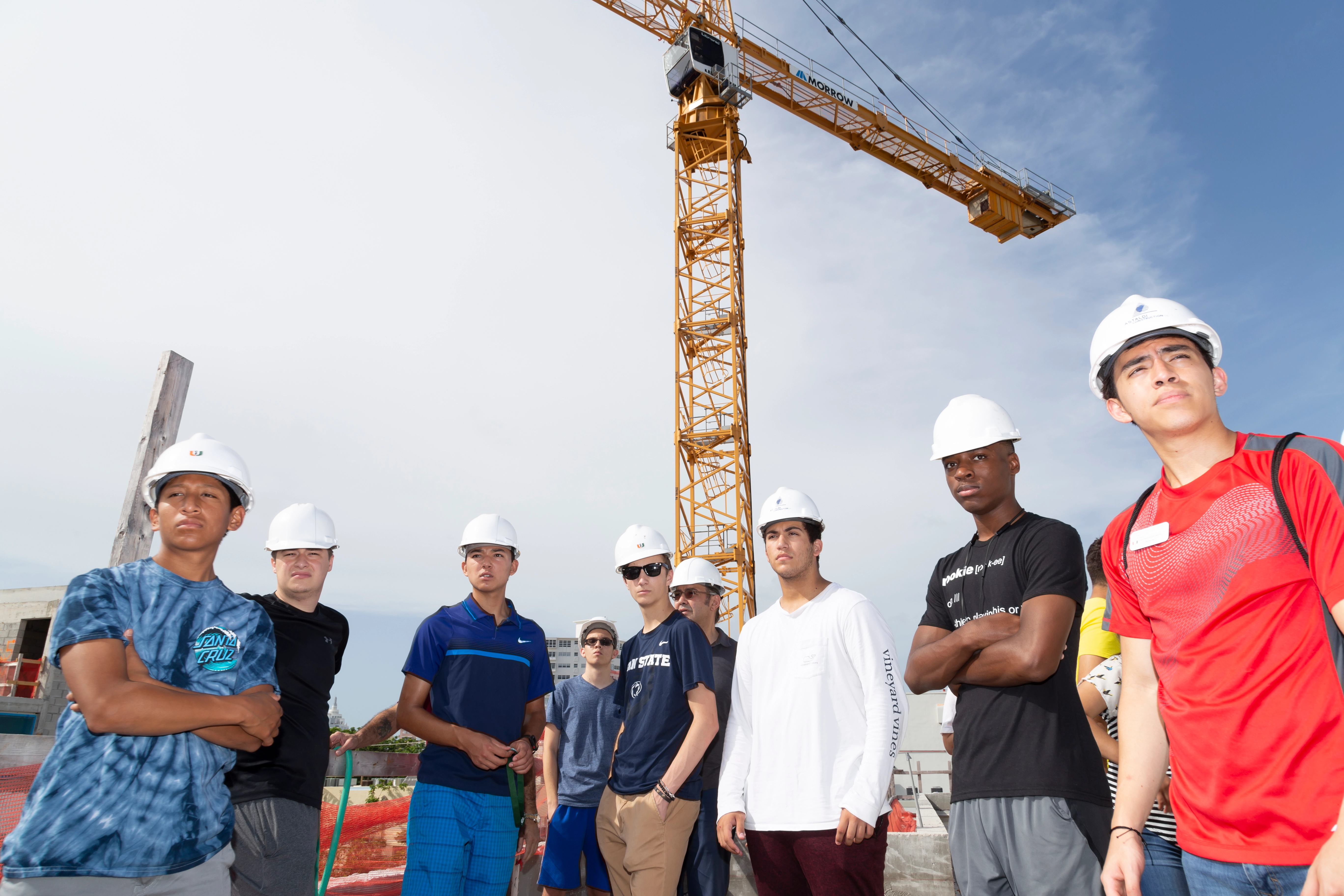
This course exposes students to the study and practice of engineering and gives an overview of three disciplines divided into five sections: Civil, Architectural, Environmental, Structural Engineering and Research in Engineering. The course has a unique configuration that allows students to experience both the breadth of engineering as a profession and the depth of particular disciplines through problem solving, group design projects, field trips and engineering ethics discussions.The course is designed to simulate a real world engineering environment where teamwork, communication and creativity are the keys to success.
College of Engineering | Mechanical & Aerospace Engineering Department|
MAE 100. Introduction to Mechanical and Aerospace Engineering. 3 Credit Hours.
This course presents of the basic concepts of mechanical and aerospace engineering. It covers three broad areas – mechanical design and manufacturing, materials science and renewable energy technology, and aerospace engineering, including airplanes and rockets. In the design and manufacturing area, the process of new product development, including the aspects of creativity, patents, computer-aided design, reliability of products, mechanism design and manufacturing aspects of tolerances and fits will be presented. Hands-on design projects and a visit to the machine shop are also included. The topic of materials science and renewable energy technology introduces fuel cell, hydrogen production, solar cell, biomass utilization, wind energy, and geothermal power. The topic will stress on the problems of depletion of fossil energy resources and impact to environment. It provides an overview of the principles of highly efficient and clean electrochemical power systems. The emphasis is to allow students to get first-time hand-on experience of fuel cell, solar cell, and batteries in the laboratory. The students will team up to operate solar cell and fuel cell and build simple batteries using items for their daily use. The topic of aerospace engineering presents fundamentals of aerospace vehicles, aerodynamics and wind tunnels. The discussion on airframe and propulsion systems includes airfoils, wings, nozzles, propeller and jet engines. A visit to the wind tunnel laboratory and tests on an NACA airfoil will be demonstrated.
College of Engineering | Mechanical & Aerospace Engineering Department|
Prerequisites(s): Precalculus and physics are required
[back to top]
Explorations in Architecture, Design & AI
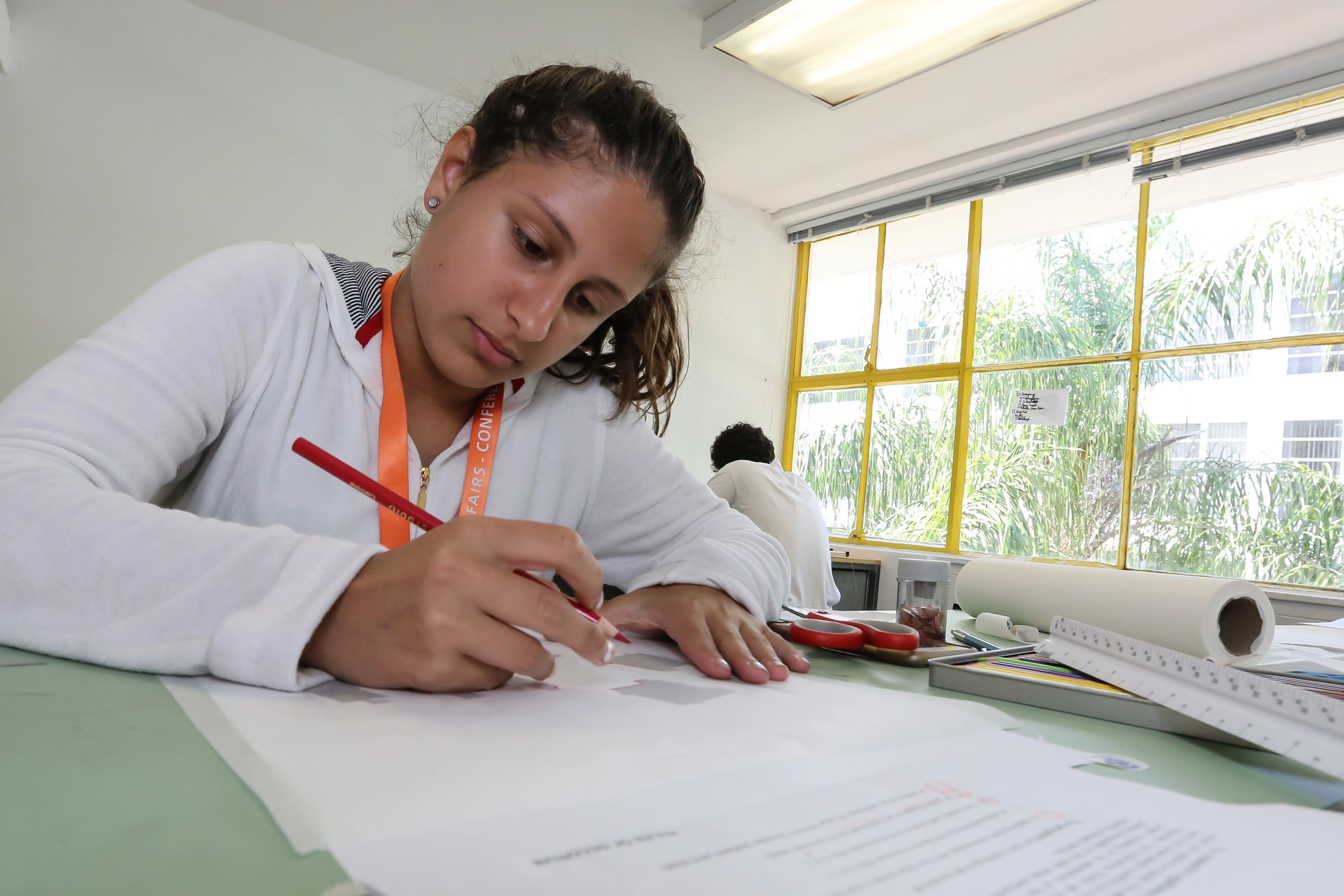
Explorations in Architecture, Design and AI is an intensive, studio-based, three-week summer program that introduces high school and early college students to the core principles, methods, and practices of architecture and urban design. Modeled after the University of Miami’s School of Architecture undergraduate curriculum, this immersive experience blends creative exploration with academic rigor.
Through hands-on learning and real-world applications, students will engage with design challenges that span sustainability, landscape architecture, historic preservation, digital representation, and urbanism. The curriculum emphasizes a multidisciplinary approach, integrating design thinking, drawing, theory, and architectural history.
A unique feature of the program is the integration of artificial intelligence (AI) as a creative design tool across both tracks. Students will learn to use AI platforms to generate concept designs, visualize ideas, and experiment with architectural styles and forms. AI will be used to support design thinking, sustainability analysis, and urban interventions—enhancing the creative process and helping students develop future-ready digital skills. From text-to-image generators to generative modeling tools, AI will serve as a powerful extension of students’ design capabilities throughout the program.
Students select one of the following focused tracks as their area of study:
Track I: Urban and Landscape Design
This track explores the design of cities, public spaces, and landscapes, with an emphasis on the interaction between built form and the natural environment. Topics include urban morphology, ecological systems, and spatial planning strategies. Students will analyze existing urban conditions and propose design interventions that enhance livability, connectivity, and environmental performance.
Track II: Sustainable and Resilient Design
Focusing on architecture’s role in addressing climate change, this track introduces sustainable design principles and resilient building strategies. Students will study passive design techniques, material selection, and tropical architecture in relation to Miami’s unique environmental challenges. Emphasis will be placed on designing with climate responsiveness and long-term adaptability in mind.

ARC 109. Introduction to Architecture. 3 Credit Hours.
(Includes Design & Design History) Introduction to architectural ideas and principles including composition, space, form, function, history and methods of exploring architectural and urban design problems. Students will learn the relationship between two dimensional and 3 dimensional spaces through analytical drawing and model making. Course pedagogy includes weekly lectures in history and theory to better inform the design process. This course will encourage intuitive action, rapid visual analysis and interpretation.
ARC 110. Visual Studies. 3 Credit Hours.
Concurrent with the ARC 109 course, the visual studies course explores Architectural drawing as a means of discovery, exploration, analysis and representation. Coursework begins with freehand drawing, in which students explore and refine their observation and representational skills, followed by an introduction to digital drawing and 3-d fabrication used in the profession today. The students will develop a portfolio in digital format that illustrates the body of work produced during the three-week program.
School of Architecture |
Prerequisites(s): 9th and 10th grade English required
[back to top]
AI, Cybersecurity and Computing
Discover the Future with AI, Cybersecurity & Computing
“Think Smart. Stay Secure. Code the Future.”
Step into the world where technology meets innovation! This college-level course is designed for high school students eager to explore the cutting-edge fields shaping our future. You’ll dive into Artificial Intelligence, learning how machines think and make decisions, and uncover the secrets of Cybersecurity, mastering strategies to protect data and defend against digital threats. Along the way, you’ll build strong computing skills, from programming fundamentals to problem-solving techniques that power modern technology. Through hands-on projects and real-world applications, you’ll gain practical experience that sets you apart in college and beyond. Whether you dream of creating smart systems, safeguarding digital spaces, or building the next big app, this course is your launchpad.
ECE 100. Introduction to Electrical and Computer Engineering. 3 Credit Hours.
This course is an introduction to Electrical and Computer Engineering and it covers three thematic units of the discipline: Electronics, Digital Systems and Signal Processing. Emphasis is on hands-on experience and the end of the course the student will learn how to construct and test a stereo power amplifier, a digital voting machine and software for processing audio signals.
College of Engineering | Electrical & Computer Engineering Department |
ECE 123: Explorations in Engineering. 3 Credit Hours.
Introduction to engineering for non-engineers with emphasis on real-world engineering systems and services which are changing the way we live, communicate, learn, play, and care for ourselves, our communities and our planet. Students will learn how to use modern tools to observe and design simple engineering systems.
College of Engineering | Electrical & Computer Engineering Department |
Prerequisites(s): Precalculus and physics are required
[back to top]
Business, Ethics and Leadership
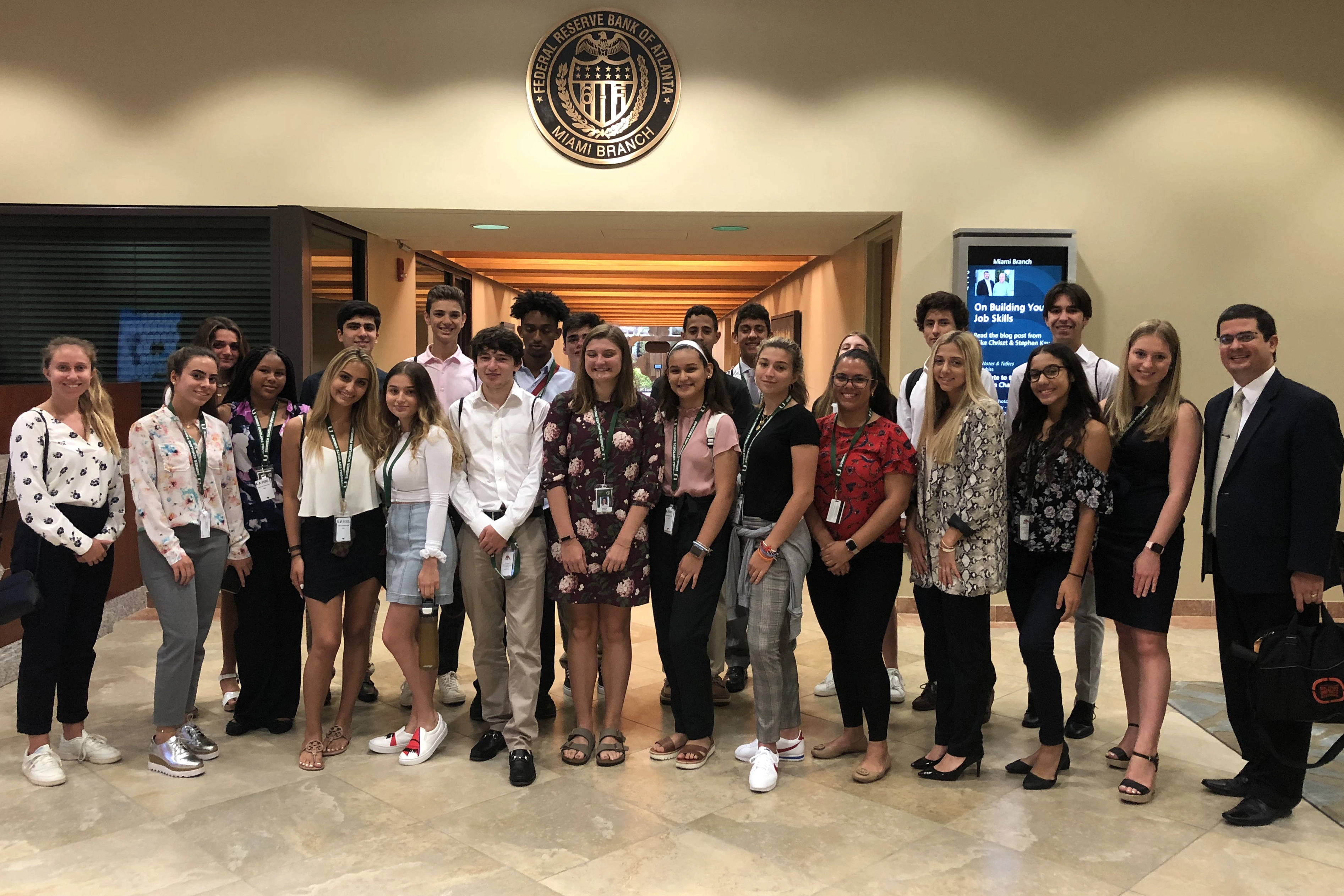
GBM 101. Fundamentals of Business. 3 Credit Hours.
This course is designed to provide a broad introduction to the various fields of business knowledge and that are essential for successful decision making in the global marketplace. Students will be exposed to lectures in the functional areas of business: economics, accounting, finance, and management. In addition to lectures and discussions about some of the core principles in these areas, the curriculum will require students to engage in hands-on activities that will help to familiarize them with the different business fields and decide if a career in business is right for them.
Miami Herbert Business School |
GBM 100. Fundamentals of Ethics and Leadership in Business and Law. 3 Credit Hours.
This is a comprehensive course specifically designed to assist high school students focus on building a proper foundation to prepare for college and then law school or graduate school in the future. The course creates opportunities for students to hone their ethical, logical and analytical ways of thinking and become knowledgeable of the workings of the business and legal communities. GBM 100 is a blend of academics, leadership, networking and teamwork that are at the core of a successful transition from high school to college to graduate school.
Miami Herbert Business School |
Prerequisites(s): Algebra required
[back to top]
Business Strategy, Communication, and Leadership
GBM 101. Fundamentals of Business. 3 Credit Hours.
This course is designed to provide a broad introduction to the various fields of business knowledge and that are essential for successful decision making in the global marketplace. Students will be exposed to lectures in the functional areas of business: economics, accounting, finance, and management. In addition to lectures and discussions about some of the core principles in these areas, the curriculum will require students to engage in hands-on activities that will help to familiarize them with the different business fields and decide if a career in business is right for them.
Miami Herbert Business School |
BUS 103. The Executive: Presence, Professionalism, and Presentation for Business. 3 Credit hours.
No matter the industry, executive presence and professionalism are key to success. This interactive course will explore the career and professional skills necessary to thrive in the business workplace. Topics include interviewing, clear communication in different contexts, negotiation skills, and professional social media presence. The course methodology offers a problem-solving experience and provides students with an opportunity to develop their analytical and decision-making abilities in a university environment.
Miami Herbert Business School |
Prerequisites(s): 9th and 10th grade English required
[back to top]
Economics and Financial Modeling
ECO 212. Introduction to Macroeconomics. 3 Credit Hours.
Fundamental course devoted to macroeconomic analysis. Topics include national income and employment analysis, money and banking, economic growth, and comparison of different economic systems, including the problems of developing the less developed world.
FIN 280. Fundamentals of Financial Engineering. 3 Credit Hours.
This course introduces the basic principles of financial engineering to students. It concentrates on the description of different financial products. Basic mathematical and engineering principles are applied to the study of financial instruments. Financial tools are explained in a practical manner. The course focuses on how financial tools are created and how the tools work together to achieve specific goals. Applications are illustrated using real-world examples. Main financial products covered are Equities, Bonds, and Currencies. Cash flows covered include spot, options, and forwards and futures. Credit products covered are collateralized debt obligations, special purpose vehicles, and credit default swaps. Portfolio creation, portfolio construction, and strategy development are studied. The course gives a primer on analyzing financial statements (balance sheet, income statement, and cash flow statement), bonds, corporate valuations, stock trading fundamentals (fundamental analysis, technical analysis, algorithmic trading), mergers and acquisitions (tender offers, hostile takeovers, leveraged buyouts), stock repurchases, options valuation, futures, commodities, mutual and index funds, hedge funds, currency exchange, risk analysis, real estate investing, and portfolio balancing and optimization.
Miami Herbert Business School |
[back to top]
Global Business and International Relations
GBM 102. Global Business. 3 Credit Hours.
Miami's strategic location at the crossroads of the Americas provides an exciting setting to explore global business and leadership. Gain an overview of practices followed by organizations and individuals doing business in a global environment. Explore the recent globalization phenomenon – why has it flourished as such? Learn key differences that characterize the various countries involved in the global economy. Review trends, including the rewards and challenges, that affect global trade and the investment environment. Investigate critical concepts – the common strategy and structure of international business and the traits that define a global leader.
Miami Herbert Business School |
POL 203. Introduction to International Relations. 3 Credit Hours.
Introduction to the theory and practice of international relations. Areas covered include: diplomacy, conflict resolution, international institutions and law; great power politics, international political economy, environmental politics, political integration, the evolving state system, and new global challenges. Students have the opportunity to visit a consulate and meet with foreign diplomats in Miami.
College of Arts and Sciences | Dept. of Political Science |
Prerequisites(s): History
[back to top]
Money and Marketing: Succeeding in Business

MKT 101. Marketing in the 21st Century. 3 Credit Hours.
This course will introduce you to the new age of Marketing. In a modular format: three modules spread over a period of three weeks, the students will get introduced to the fundamentals of marketing and the exciting world of digital marketing and marketing analytics. Marketing is a vital link between a firm’s consumers and its other stakeholders. During the first module, students will develop an understanding of issues such as the evolution of modern marketing, segmentation, targeting and positioning, marketing research, and consumer behavior. The students will be introduced to some global marketing examples connected to these topics. The second module focuses on digital marketing and branding. Since the digital age has redefined marketing the content will focus on marketing principles in digital and social media marketing. The third module will focus on marketing analytics. Big data, fast computing and clever algorithms have converged to allow managers to convert data into one of their key strategic assets. In response, managers are collecting large volumes of data from diverse sources. To convert data to insights managers must develop the capability to transform data into knowledge through analytics. This has made analytics an important subject for marketing.
This course will serve to allow students to understand marketing practices in the real world. Methods of instruction will include lectures, discussion, analytical problem solving, experiential (involvement) learning, readings and case analysis.
Miami Herbert Business School | Dept. of Marketing |
BUS 201. Money. 3 Credit Hours.
This course is about money and YOU, regardless of your age. How to earn it, borrow it, and save it. How to make it grow, protect it from liability, defer it from income taxation and invest it. You will also learn how to use it in relation to your own business and how to manage it to meet your personal and business financial independence goals.
This course is for students seeking a practical education on the subject of money and financial wellness. Students will gain a greater sense of proficiency in highly important matters, both from a professional and personal level.
Miami Herbert Business School |
Prerequisites(s): Algebra required
[back to top]
Business, Law, and Society
BSL 104. The Judicial: Understanding Cutting-Edge Legal Cases. 3 Credit Hours.
From Marbury v. Madison to Students for Fair Admissions v. Harvard, case law has shaped the development of our law in the U.S. common law system. This interactive course explores key court cases in their legal and historical context, along with their role in business today. Topics include the fundamentals of the common law system, the judiciary, and the mechanics of a case as it makes its way through the judicial process. The course methodology offers a problem-solving experience and provides students with an opportunity to develop their analytical and decision-making abilities in a university environment.
Miami Herbert Business School |
BSL 105. The Legislative: Exploring the Impact of Law on Business. 3 Credit Hours.
This course offers an exploration of the legislative process in the United States, particularly with respect to business and industries. Students will analyze key statutes in different areas of law, with an aim to understand their history, enactment, and impact on business. Statutes studied may include those in areas such as employment, intellectual property, corruption, antitrust, workplace safety, marketing, environmental law and privacy, among others. The course methodology offers a problem-solving experience and provides students with an opportunity to develop their analytical and decision-making abilities in a university environment.
Miami Herbert Business School |
Prerequisites(s): 9th and 10th grade English required
[back to top]
Business of Real Estate
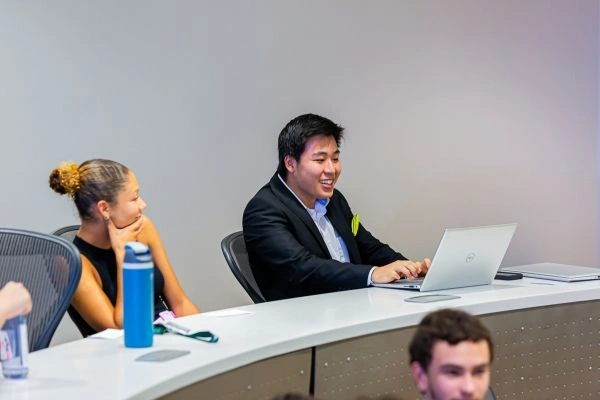
FIN 144. Real Estate Investment Analysis. 3 Credit Hours.
This course covers the fundamentals of commercial real estate. The aim of the course is to give you broad exposure to the landscape of commercial real estate markets. After a discussion of the relation between property prices and rents, the first part of the course is focused on property-level analysis of real estate equity as an investment, especially property valuation. This portion will culminate in a valuation case, based on a proposed development project in downtown Miami. After this, we will look at the fundamentals of real estate debt (mortgages) and equity markets (REITs).
Miami Herbert Business School |
BSL 102. Contracting in Everyday Business and Life. 3 Credit Hours.
Contracts are the building blocks of business. This course explores both the legal and practical elements of contracting. Topics will include the basics of contract law, the ethical implications of certain contracts, and novel forms of contracting, such as clickwraps and smart contracts. The class will explore the process of entering a contract, from negotiation to execution and beyond. The course methodology offers a problem-solving experience and provides students with an opportunity to develop their analytical and decision-making abilities in a university environment.
Miami Herbert Business School |
Prerequisites(s): Algebra required
[back to top]
Law: Litigation and the Legal Profession

LWU 101. Courtroom 101: Litigation Basics. 3 Credit Hours.
“People of the jury, have you reached a verdict?” Persuading a jury or a judge does not begin in closing argument. Asking for a verdict depends upon all of the evidence, the lawyer’s persuasive ability, and a clear development of the theory of the case. This course will enhance the student’s abilities to participate in mock trials, by incorporating techniques of witness direct and cross examination, exhibits, objections, opening statements and closing arguments. It will incorporate technology in the courtroom, as well as for preparation. The skills acquired will be helpful in almost any persuasion presentation, including lobbying, debate and negotiation.
School of Law |
LWU 102. Introduction to the Legal Profession: Law, Ethics and Society. 3 Credit Hours.
This course introduces students to the practice of law in the United States from the perspective of the law as a profession that draws heavily on philosophy, sociology and ethics. The course will focus on the basics of attorney client formation, duties and responsibilities of lawyers, regulation of lawyer conduct, basic elements of law practice, managing relationships and many other facets of the attorney’s duties as an officer of the court. The course will be based around the American Bar Association's Model Rules of Professional Conduct and will use excerpts from a problem based casebook. (3 credits)
School of Law |
Prerequisites(s): 9th and 10th grade English required
[back to top]
Cancer Biology: Treatment, Management, and Prevention
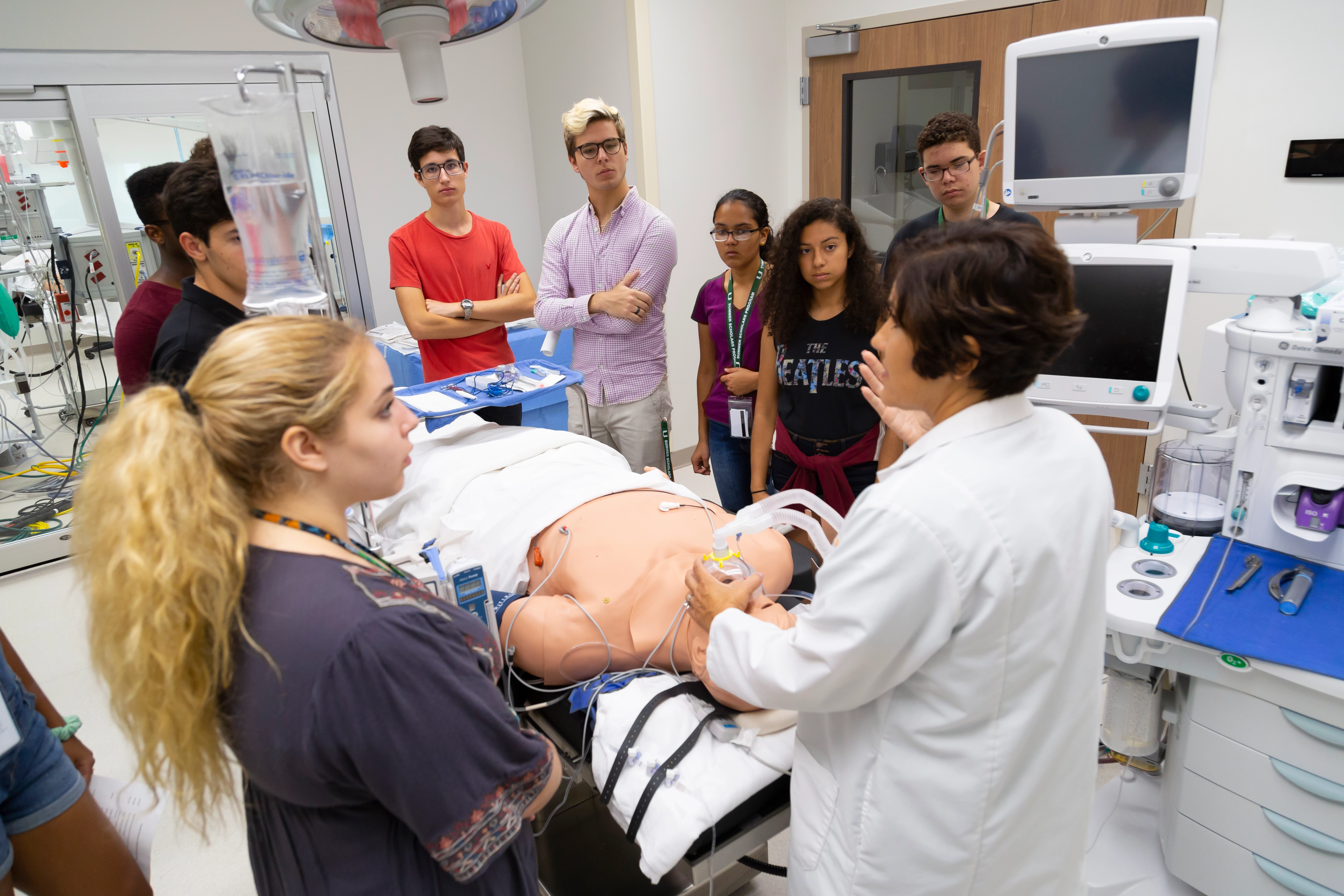
This two-course academic track delivers a rigorous, college-level experience that challenges students to engage deeply with advanced concepts in health promotion and cancer biology.
NUR 200. Process of Health Promotion. 3 Credit Hours.
This course is designed to introduce the physical, social and behavioral alterations encountered through-out the healthcare continuum including: health promotion, maintenance, rehabilitation and diseases prevention. The impact upon the individual, family and society at large of both health and illness will be explored. Strategies for the maintenance of optimal health will be presented through a variety of classroom and community experiences. Scientific and technological advancements utilized to restore health will be discussed.
School of Nursing and Health Studies |
BIL 116. Cancer Biology. 3 Credit Hours.
The course will cover basic aspects of oncology and the impact of research findings on the management and treatment of cancer. Concepts in cancer biology, tumor cell proliferation, prevention and therapy (chemotherapy, radiation and immunotherapy) will be addressed. Discussions will include topics in lab diagnostic techniques such as DNA cell cycle and proliferation analysis and hormone and tumor marker receptor expression. Students will attend this course on the Miller School of Medicine campus.
College of Arts and Sciences | Dept. of Biology |
Prerequisites(s): Biology (AP, IP, Honors) and one other lab science required
[back to top]
Food M 3: Molecules, Meaning and Memory (M3)
CHM101. Chemistry and Society. 3 Credit Hours.
The basic principles of chemistry for the non-science major with an emphasis on understanding the chemistry of the world around us, especially as it pertains to the choices we make as consumers and as a society. Integrated themes include energy, the environment, food and nutrition, health and personal care, and other contemporary societal issues.
College of Arts and Sciences |
APY 110. Special Topics in Anthropology: The Anthropology of Food. 3 Credit Hours.
Getting enough to eat is basic to every organism and a novel framework through which to examine human biocultural evolution. How we understand food is a key component of human social interaction, and there is almost no aspect of human culture in which food does not play a part. This course presents the anthropological perspective of the human diet beginning with nonhuman primate models and the first bipeds, who appeared in Africa over 5 million years ago, and encompassing the broad diversity of eating practices in our globalized society, including the students’ own experiences and traditions. Specific topics include food basics of macro- and micronutrients; evidence of food-related disease in living/skeletal populations; fire and cooking; diets among hunter-gatherers; food as a marker of identity; creating experiences of the sacred and shaping memory through food; food security and sovereignty; and our history with specific food stuffs, like chocolate, olives, corn, and rice.
College of Arts and Sciences |
Prerequisites(s): Chemistry
[back to top]
Neuroscience and Public Health
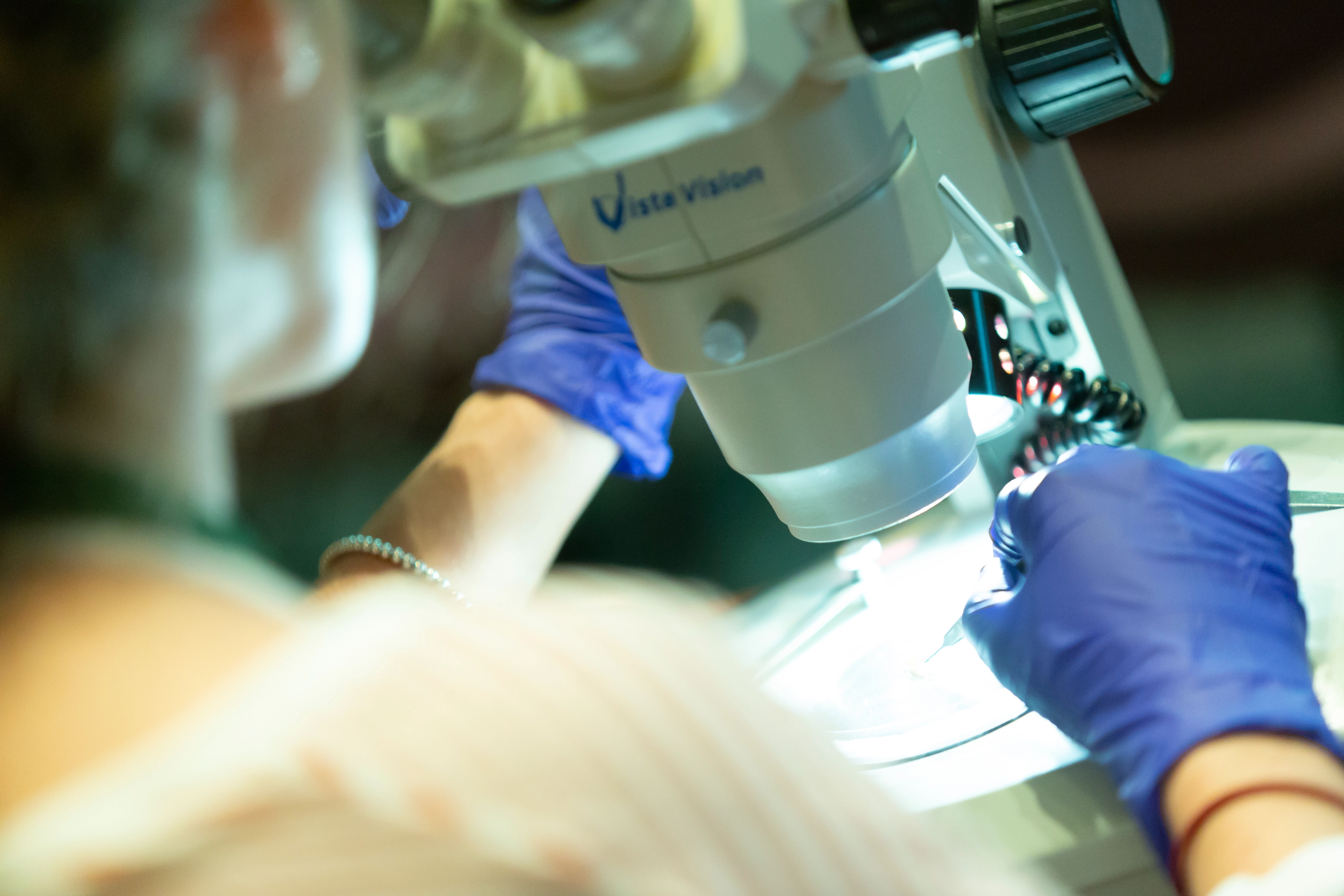
BPH 200. Introductory Public Health. 3 Credit Hours.
This course is a survey of the basic principles of Public Health. Topics that will be covered include an overview of the health care system, health insurance, the history of health care in the US, communicable and non-communicable diseases, the physical and built environment, emergency preparedness and response, and various other topics that influence the health of populations.
School of Nursing and Health Studies |
NEU 110. Introduction to Neuroscience – From Molecules to Behavior. 3 Credit Hours.
This course is designed to introduce students to fundamentals of neuroscience through traditional lectures, laboratory experience and presentations. We will cover molecular mechanisms of basic neuroscience principles as they relate to health and disease. Students will gain an understanding of how nerve cells communicate with each other and form a network that controls our body. Students will be exposed to how neuroscience research is done as well as explore career opportunities in neuroscience.
College of Arts and Sciences | Dept. of Neuroscience |
Prerequisites(s): Biology (AP, IP, Honors) and one other lab science required
[back to top]
Microbiology, Immunology, and Public Health
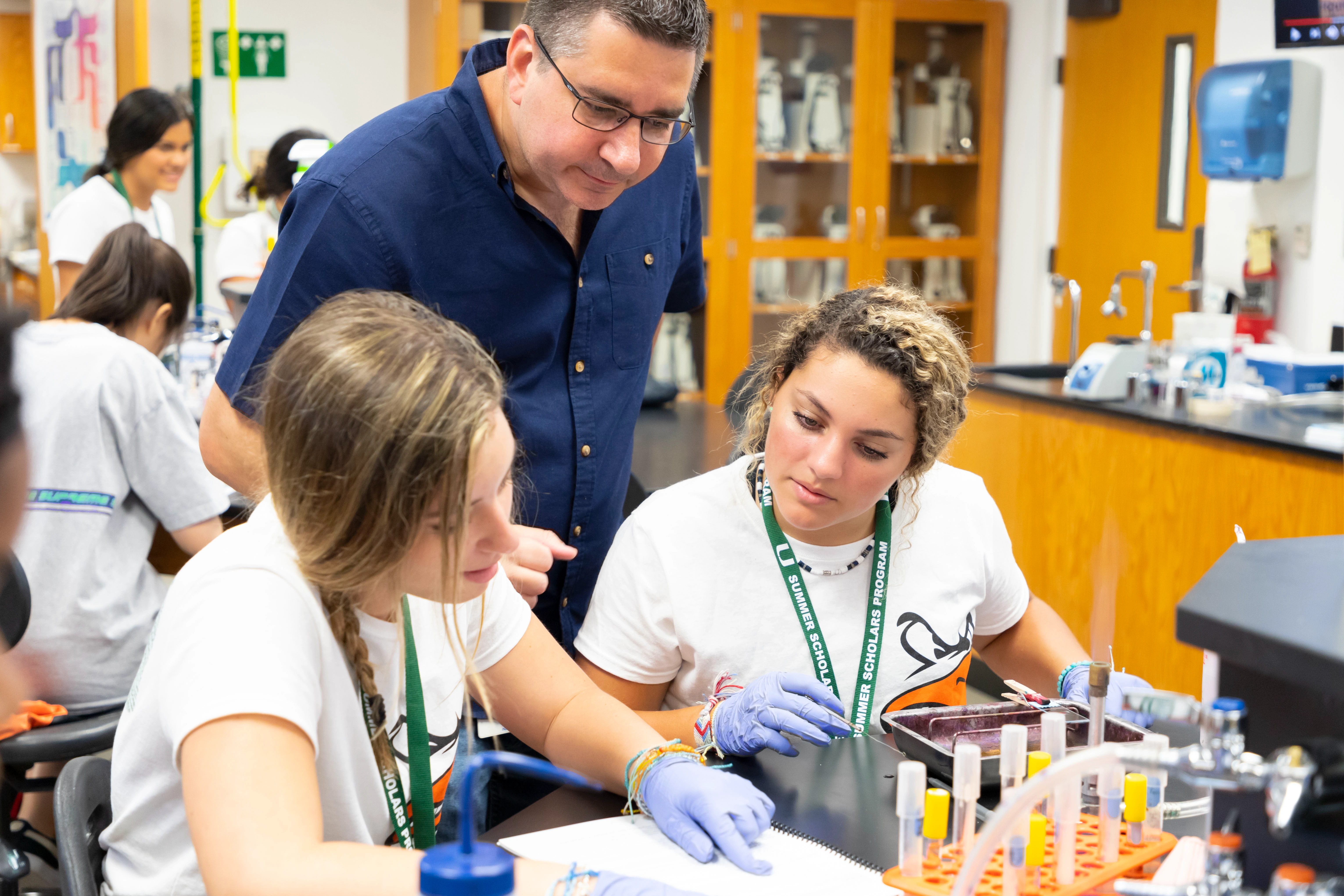
BPH 200. Introductory Public Health. 3 Credit Hours.
This course is a survey of the basic principles of public health. Topics that will be covered include an overview of the public health field and population health approach, evidence-based practice, health policy and ethics, communicable and non-communicable disease concepts and trends, the healthcare system and public health institutions, the physical and built environment, and various other topics that influence the health of populations.
School of Nursing and Health Studies |
MIC 100. Introduction to Microbiology. 3 Credit Hours.
This is an introductory microbiology course for the summer scholars program. Microorganisms are in every facet of our lives and make up a microscopic world. Right now, your body is inhabited by over 40 trillion bacteria. Due to the evolution of our immune systems, we have been able to coexist with this world. It is when our immune systems weaken or when our otherwise healthy immune system encounters a particularly nasty pathogen that we become vulnerable. This course will cover the topics of how our immune system works, how microbial pathogens cause disease, how beneficial microbes protect us from disease, and some of the other activities perform that impact our world. The laboratory aspect of the course will provide you with invaluable knowledge in growing, staining, viewing and identifying microorganisms through the use of practical techniques and procedures. A presentation of your “unknown organism” will culminate what you have learned.
College of Arts and Sciences | Dept. of Microbiology |
Prerequisites(s): Biology (AP, IP, Honors) and one other lab science required
[back to top]
Digital Media, Podcast Production, and Technology for the Future
Students in this track will learn the fundamentals of conceptualizing, gathering, verifying, and presenting content appropriate for a variety of media enterprises, including journalism, public relations, and advertising. Central to this program is student interaction with social and mobile media technologies and engaging in storytelling appropriate for today’s complex and evolving media landscape. Students will use the School of Communication’s state of the art radio and television facilities, as well as field television equipment, non-linear editing software, smartphones and social media. Students enroll in JMM 102 and JMM 206.

JMM 206. Producing Digital Content. 3 Credit Hours.
In this course, students will learn to produce multimedia content, including still photos, video, audio, and text. Students will act as production crew, on-air talent, writers, producers, reporters and directors. This course will involve a lot of hands-on work with appropriate technology, as well as out of class time to gather the necessary content around campus and/or in the community. Students will visit local television and radio stations.
School of Communication | Dept. of Journalism |
JMM 102. Understanding Media and Content in the Digital Age. 3 Credit Hours.
This course examines how traditional and new media industries are economically structured and how various media content influences audiences and culture. Historical, technological, and regulatory issues related to the different media platforms will also be discussed from a comparative perspective.
School of Communication | Dept. of Journalism |
Prerequisites(s): 9th and 10th grade English
UM Summer Scholars 2017 Digital Media Final Project on Vimeo.
[back to top]
Digital Filmmaking: Production and Animation
CCA 151. Introduction to Digital Production and Filmmaking. 3 Credit Hours.
Students will learn the fundamental principles of cinematography, lighting, editing, audio recording, and story development through lecture, discussion, screenings, online workshops, and cinematic projects. We will focus on both technical aspects and aesthetic principles of filmmaking using a variety of professional applications. Throughout the class, students will critique shared work to develop analytical skills and enhance the quality of class film projects. Students will learn the visual language of film, and how to tell stories visually.
School of Communication | Dept. of Cinema & Interactive Media |
CCA 290. Introduction to 2D Animation. 3 Credit Hours.
This course introduces the student to the fundamentals of animation language. The course presents and explores techniques used to animate including: motion graphics, conceptualization, storyboarding, shot language, editing styles, narrative structure, typography, creating characters, and bringing those characters to life. The class will view and deconstruct several animated films and shows in class to learn about the animation process. We will consider art, literature, and popular culture as sources of inspiration. Students will write and develop, draw and animate original short films.
School of Communication | Dept. of Cinema & Interactive Media |
Prerequisites(s): 9th and 10th grade English
[back to top]
Strategic Communication: Public Relations and Graphic Design
STC116. Principles of Public Relations. 3 Credit Hours.
An introduction to the principles and practice of public relations. Students will learn how public relations operates within organizations, its impact on publicity, and its functions in society. Students will study the professional development of the field; concepts, issues and principles in the practice; and models of theories guiding the practice. They will also be challenged to critically evaluate the practice and purpose of public relations in contemporary American society.
School of Communication |
STC 102: Graphic Design for Strategic Communication. 3 Credit Hours.
An introduction to the art of visual communication as it relates to design for advertising and public relations. Students will learn how to use Adobe PhotoShop and InDesign as tools for applying basic graphic design techniques used in print and promotional materials. Topics include typography, design principles, art & image manipulation, conceptualization and layout stages, color theory and color reproduction, and printing processes.
School of Communication |
[back to top]
Marine Animal Biology and Conservation
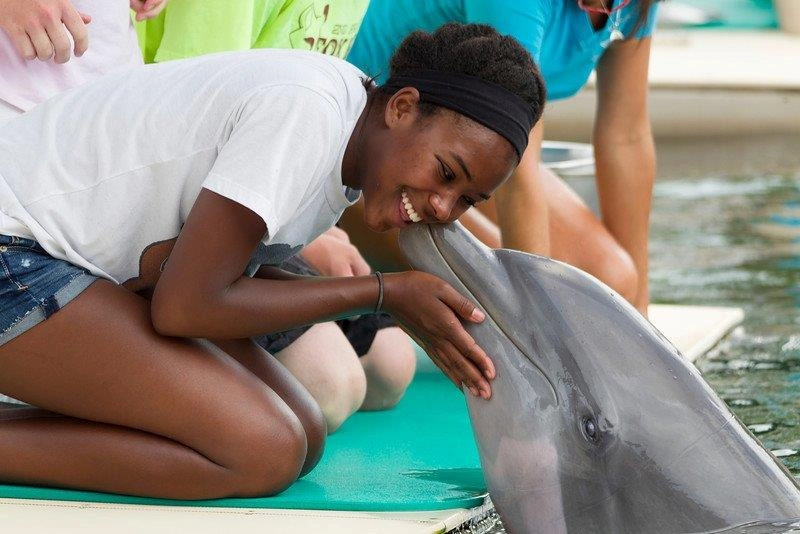
MSC 106. Biology of Marine Megafauna (marine mammals, sharks, etc.). 3 Credit Hours.
The purpose of this class is to introduce students to the biology, taxonomy, physiology, natural history, behavior, and conservation and management of marine megafauna (marine mammals, sharks, rays, etc). This class will be dynamic, involving lectures, discussions, review of primary literature, career guidance, guest lectures, and videos.
The class also entails exclusive opportunities for practical training in the field of marine mammal science in collaboration with Dolphins Plus Marine Mammal Responder, a non-profit marine mammal facility in Key Largo, including but not limited to: research sampling and design, bioacoustics, husbandry and clinical care, and applied behavior analyses.
Rosenstiel School of Marine and Atmospheric Science | Dept. of Marine Biology & Ecology |
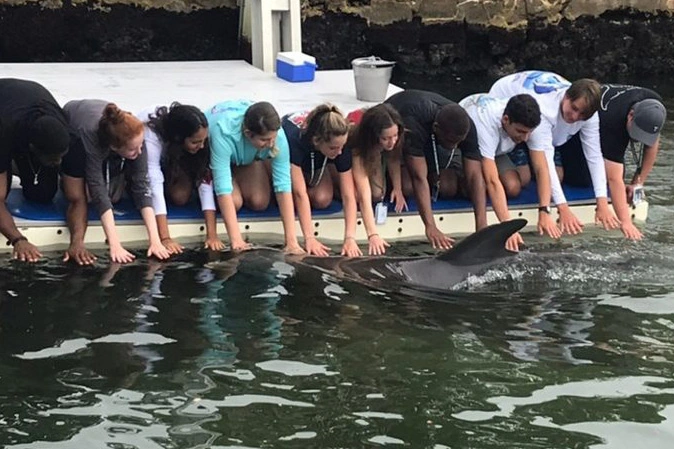
MSC 116. Marine Conservation. 3 Credit Hours.
This course introduces students to a wide range of conservation topics regarding marine environments around the world, with an emphasis on marine mammals. This class will cover current natural and anthropogenic threats to a variety of marine organisms and the current conservation and management efforts to mitigate these threats. Students read and discuss current events focused on marine ecosystem management and conservation; gain an understanding of the laws, regulations, and approaches to management in the United States and around the world in place to conserve marine organisms and ecosystems; and evaluate specific threats to sharks, sea turtles, and marine mammals and consider management objectives considering different cultural and socioeconomic values. Students will also develop their written, visual, and oral communication skills to inspire others to contribute to protecting the health of our oceans.
This class will consist of lectures as well as engaging active learning activities that will be done
individually, in partners or groups, and as a class. Activities will be dynamic, involving worksheets, videos, discussions, games, guest speakers, peer education, and field trips. Students will also be introduced to reading primary scientific literature and practice their scientific communication skills with class and homework assignments.
Students will visit local marine mammal facilities to understand rescue, rehabilitation, and release of marine mammals and the practices of marine mammals managed care and observe their anatomy; and visit laboratories conducting marine conservation research on a variety of topics and hear from expert guest speakers.
Rosenstiel School of Marine and Atmospheric Science | Dept. of Marine Biology & Ecology |
Prerequisites(s): Biology and one other lab science required
Program Eligibility: Residential Students Only
[back to top]
Oceanography and Marine Environments
MSC 101. Survey of Oceanography. 3 Credit Hours
This course introduces the oceans and their significance to humanity. It encompasses geological, physical, chemical, and biological processes; humanity’s role in and on the sea, including fisheries, pollution, and ocean management. Topics may include seafloor geology, sea level rise, waves, tides and currents, ocean acidification and carbon cycling, and marine food webs. Evolving issues in oceanography will be discussed in the context of current events. Instruction includes lectures, small group discussions, and in class activities.
Rosenstiel School of Marine and Atmospheric Science | Dept. of Marine Biology & Ecology |
MSC 115. Tropical Marine Environments. 3 Credit Hours.
The purpose of the laboratory is to introduce students to the techniques of field and laboratory assessment in marine science with a special focus on the unique tropical marine environments of South Florida. Laboratories are coordinated with the lecture material in MSC 101 as much as possible. This course is a field and lecture study of selected marine environments around South Florida, with emphasis on the interaction between organisms and the geological substrate. Local field excursions to South Miami marine science facilities and laboratories can include the University of Miami Rosentiel School of Marine & Atmospheric Science on Virginia Key, shark tagging with UM Shark Research, and snorkeling and a shallow water encounter with dolphins in Key Largo.
Rosenstiel School of Marine and Atmospheric Science | Dept. of Marine Biology & Ecology |
Prerequisites(s): Biology and one other lab science required
Program Eligibility: Residential Students Only
[back to top]
Tropical Marine Biology
Study Florida's tropical marine ecosystems. Students enroll in MSC 107 and MSC 115.
MSC 107. Life in the Sea. 3 Credit Hours.
Gain an introduction to the oceans and their significance to mankind, encompassing geological, physical, chemical, and biological processes; man’s role in and on the sea, including fisheries, pollution, and ocean management.
This course will provide a survey of marine life. Following a brief introduction to the relevant geological (seafloor spreading, plate tectonics), physical (Coriolis effect, Ekman transport, global oceanic and atmospheric heat transport, thermohaline deep ocean circulation), and chemical environment (unique properties of the water molecule, hydrogen bonding) of the sea, lectures will examine plants and animals of the sea, including plankton, nekton, and benthic organisms and their diverse life modes. Anthropogenic effects on marine environment and marine organisms are considered, concentrating on pollution, climate change, and ocean acidification.
Rosenstiel School of Marine and Atmospheric Science | Dept. of Marine Biology & Ecology |
MSC 115. Tropical Marine Environments. 3 Credit Hours.
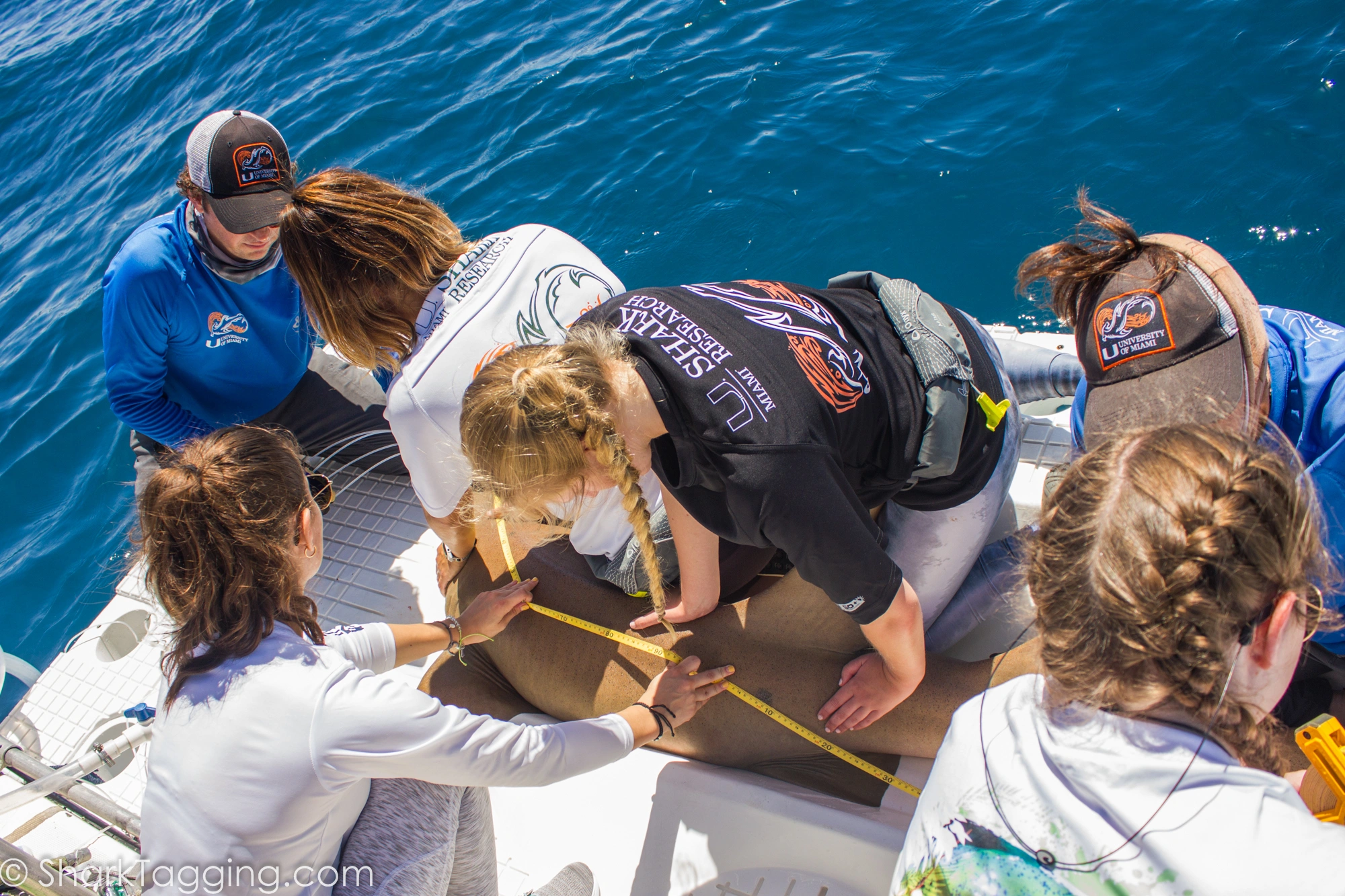
The purpose of the laboratory is to introduce students to the techniques of field and laboratory assessment in marine science with a special focus on the unique tropical marine environments of South Florida. Laboratories are coordinated with the lecture material in MSC 107 as much as possible. This course is a field and lecture study of selected marine environments around South Florida, with emphasis on the interaction between organisms and the geological substrate. Local field excursions to South Miami marine science facilities and laboratories can include the University of Miami Rosentiel School of Marine & Atmospheric Science on Virginia Key, shark tagging with UM Shark Research, and snorkeling and a shallow water encounter with dolphins in Key Largo.
Rosenstiel School of Marine and Atmospheric Science | Dept. of Marine Biology & Ecology |
Prerequisites(s): Biology and one other lab science required
Program Eligibility: Residential Students Only
[back to top]
The Business of Music
MIN 173. Introduction to Music Industry. 3 Credit Hours.
This course provides students with an overview of the business fundamentals of the Music Industry and how the industry’s activities impact society. Topics discussed include intellectual property, music publishing, recorded music, licensing, live entertainment, musical products, and marketing in the music industry. The students will also learn about the entertainer's business side, understanding the role of managers, agents, business managers, and attorneys.
Frost School of Music | Dept. of Music Industry | Professor Guillermo J. Page
MIN 143. Fundamentals of Music Marketing. 3 Credit Hours.
This course gives students a broad perspective of marketing in the Music Industry, introducing basic marketing concepts and their applications in the music business. Topics covered include understanding basic market segmentation, targeting, branding, and content development. It introduces the many resources available to market artists using social media, digital platforms, and analytical tools.
Frost School of Music | Dept. of Music Industry | Professor Guillermo J. Page
Prerequisites(s): 9th and 10th grade English
[back to top]
Music Therapy and the Brain
MTY 159. Introduction to Music Therapy. 3 Credit Hours.
An overview of the field of music therapy, including history, theory, and clinical practice. Students will observe clinical music therapy through video-recordings and in-class simulations. Students will understand the psychological and physiological basis of music as therapy; describe characteristics associated with various clinical populations and settings, such as developmental disabilities, older adults, psychiatric disorders, and medical settings; and students will learn how music therapy can help children and adults in different areas of practice, such as developmental, educational, medical, rehabilitative, behavioral health, and wellness care. Students will learn about the status and growth of the profession, as well as obtain basic knowledge about music therapy research.
Frost School of Music | Dept. of Music Therapy |
NEU 110. Introduction to Neuroscience – From Molecules to Behavior. 3 Credit Hours.
This course is designed to introduce students to fundamentals of neuroscience through traditional lectures, laboratory experience and presentations. We will cover molecular mechanisms of basic neuroscience principles as they relate to health and disease. Students will gain an understanding of how nerve cells communicate with each other and form a network that controls our body. Students will be exposed to how neuroscience research is done as well as explore career opportunities in neuroscience.
College of Arts & Sciences | Dept. of Neuroscience |
Prerequisites(s): Biology (AP, IP, Honors) and one other lab science required
[back to top]
Sport Administration: The Business of Sport

KIN 100. Leadership and Ethics in Sport. 3 Credit Hours.
This course introduces students to the concepts of leadership, motivation, and ethics in the field of sport administration. The course will include and combine theoretical foundations, exercises, activities, and projects designed for practical application of the leadership concepts. In addition, students will be exposed to industry leaders and networking opportunities through a variety of site visits to sport organizations.
School of Education and Human Development | Dept. of Kinesiology & Sport Sciences |
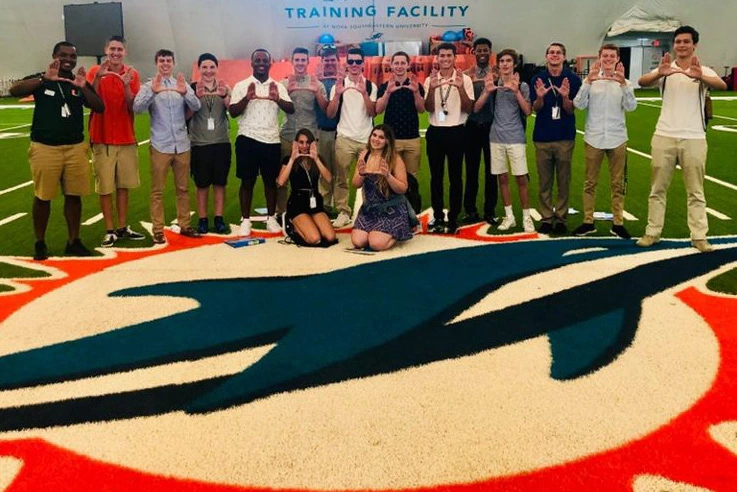
KIN 200. Sport Marketing and Finance. 3 Credit Hours.
The purpose of this course is to introduce students to sport management as a professional endeavor. The class provides a broad overview of sport management by presenting extensive discussions of the foundational aspects of the profession and current topics from the sport industry. Students will have an introduction to the following components of the sport industry: ethics, leadership, communications, marketing, finance, and event management. In addition, the students will have the opportunity to meet with leaders from a variety of collegiate and professional sport organizations. Organizations that have provided executives to speak to the students have included: NASCAR, Miami Dolphins, Miami Marlins, Florida Panthers, Miami Heat, and UM Athletics.
School of Education and Human Development | Dept. of Kinesiology & Sport Sciences |
Prerequisites(s): 9th and 10th grade English
[back to top]
Sports Medicine: Athletic Performance and Injury Management

KIN 105. Introduction to Athletic Training. 3 Credit Hours
In this practical, hands-on course, the students will learn to identify basic sport injuries that afflict the major joints of the body, and review basic methods to treat these injuries. The student will also learn how nutrition, improper biomechanics, and poor training can all impact sport performance. In addition, participants will be given the opportunity to learn and practice techniques or procedures (such as athletic taping or bracing) that may be useful in minimizing the incidence of injury.
School of Education and Human Development | Dept. of Kinesiology & Sport Sciences |
KIN 110. Foundations in Exercise Physiology and Nutrition Science. 3 Credit Hours.
This class will consist of an introduction to the field of Sports Medicine and Exercise Science. Basic information relevant to appropriate exercise prescription, proper nutritional habits, implications on health, longevity and performance will be addressed. Hands-on practical experiences will supplement theoretical concepts learned in the classroom setting.
School of Education and Human Development | Dept. of Kinesiology & Sport Sciences |
Prerequisites(s): 9th and 10th grade English
[back to top]